
Do You Actually Need an Electrolyte Supplement?
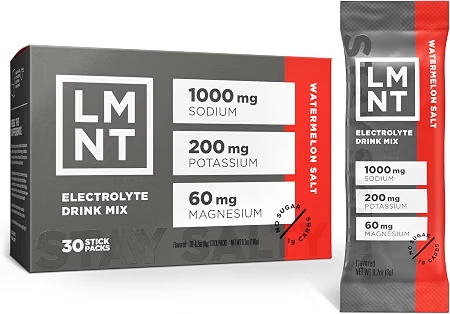
LMNT Zero Sugar Electrolytes and similar drink mixes are everywhere right now, but electrolyte replacement is only actually necessary in a fairly specific set of situations. Here’s what electrolytes do, when plain water is genuinely enough, and when a supplement earns its place.
What Electrolytes Actually Do
Electrolytes are minerals — mainly sodium, potassium, and magnesium — that carry an electric charge in your body and help regulate fluid balance, muscle contractions, and nerve signals. You lose them through sweat and urine, and normally take them back in through food and drink. A product like LMNT Zero Sugar Electrolytes is designed to replace them directly, in a flavored drink mix, instead of through a meal.
When Plain Water Is Enough
For most everyday situations — a normal day, a typical workout under about two hours, ordinary weather — plain water is genuinely enough to stay hydrated, based on CDC heat-stress guidance. Electrolyte replacement isn't a requirement for casual exercise or routine daily hydration; it's aimed at a more specific set of situations, covered next.
When an Electrolyte Supplement Actually Helps
According to CDC guidance on heat stress, electrolyte-containing drinks become genuinely useful when sweating is heavy and continues for several hours at a time — prolonged or intense exercise, hot-weather physical work, or extended time outdoors in the heat. MedlinePlus (part of the NIH National Library of Medicine) adds a few other real triggers for electrolyte loss worth knowing: severe vomiting or diarrhea, heavy sweating from illness or fever, certain medications, and some kidney, heart, or liver conditions.
If you're losing fluids for one of those reasons rather than a hard workout, talk with a healthcare professional rather than reaching for a sports drink — the right response depends on why you're losing fluid in the first place.
How Much Sodium and Potassium Do You Actually Need?
| Nutrient | Daily Amount |
|---|---|
| Sodium — Adequate Intake | 1,500 mg |
| Sodium — Upper guidance (CDRR) | 2,300 mg |
| Potassium — Adult men | 3,400 mg |
| Potassium — Adult women | 2,600 mg |
These figures — from the National Academies' Dietary Reference Intake report, confirmed by the NIH Office of Dietary Supplements' Potassium fact sheet and the CDC — describe a typical healthy adult who isn't in a heavy, prolonged-sweating situation. An electrolyte supplement adds to, not replaces, the sodium and potassium you're already getting from food — which for most people in the U.S. already includes plenty of sodium.
Who Should Be Careful With Electrolyte Supplements
Extra sodium isn't harmless for everyone. The CDC notes that excess sodium raises blood pressure, which raises the risk of heart disease and stroke — a bigger concern if you already have high blood pressure. The NIH's National Institute of Diabetes and Digestive and Kidney Diseases goes further for people with chronic kidney disease, noting many need to stay below the general 2,300 mg/day limit, with the exact number set individually by their care team.
If you manage high blood pressure, heart disease, or kidney disease, check with a healthcare professional before adding a daily electrolyte supplement, rather than assuming more electrolytes are automatically better. See our Medical Disclaimer.
How to Decide If You Need One
A simple way to think about it:
- Normal day, casual workout, ordinary weather? Plain water is enough — no supplement needed.
- Long or intense exercise, hot weather, heavy sweating over several hours? An electrolyte drink mix like LMNT Zero Sugar Electrolytes has a real, specific use here.
- Losing fluids from illness — vomiting, diarrhea, fever? That's a different situation; talk with a healthcare professional rather than self-treating with a sports-drink mix.
- Managing high blood pressure, heart disease, or kidney disease? Check with your doctor before adding extra sodium or potassium in supplement form.
Related Products
MedKept’s current electrolyte pick, referenced in this guide.
MedKept may earn a commission from qualifying purchases or signups made through certain links, at no additional cost to you.
Medical disclaimer: This guide is for general informational purposes only and is not medical advice, diagnosis, or treatment. Talk with a qualified healthcare professional before starting any new supplement, especially if you take medication or manage a health condition. Read our full Medical Disclaimer.