
Essential Oils 101: Safe Use Before You Buy
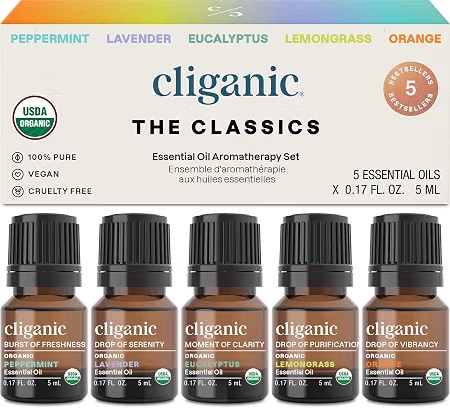
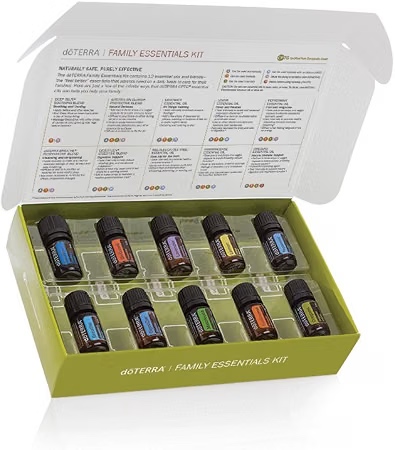
Essential oils like the ones in Cliganic Organic Essential Oils Set and doTERRA Family Essential Kit are popular for aromatherapy and home use, but the safety details matter more than the marketing usually suggests. Here’s what NIH evidence actually says, and the dilution, ingestion, child, and pet precautions worth knowing before you buy.
What Essential Oils Are — and What the Evidence Shows
Essential oils are concentrated plant extracts, most often used by inhaling their scent or applying them to skin after diluting them in a carrier oil — a practice generally called aromatherapy. It's worth being upfront about the evidence here: the National Center for Complementary and Integrative Health (NCCIH) states that for many uses, "we don't know whether it's helpful because little rigorous research has been done on this topic." The National Cancer Institute's review of aromatherapy research similarly describes "mixed results," including studies that found no change in symptoms at all. This guide focuses on safe use rather than benefit claims, since the research doesn't support strong claims either way.
How Essential Oils Are Regulated
Most essential oil products are regulated by the FDA as cosmetics, not drugs — but that changes the moment a product is marketed with a therapeutic claim. Per the FDA, claims that a product will "relieve colic, ease pain, relax muscles, treat depression or anxiety, or help you sleep" can turn it into an unapproved drug in the FDA's eyes, regardless of what the label calls it. The FDA has sent warning letters over exactly this kind of claim, so treat aggressive health claims on essential oil marketing with real skepticism.
Dilution and Topical Safety
Applying undiluted ("neat") essential oil directly to skin is a common cause of irritation and allergic skin reactions. The general safe practice is to dilute essential oils in a carrier oil before topical use and to patch-test a small area of skin first. Citrus and certain other oils carry an added risk of sun sensitivity when applied before sun exposure, per the National Cancer Institute, and NCCIH notes that topical lavender products in particular have been linked to allergic skin reactions in some people.
Why You Shouldn’t Swallow Essential Oils
Essential oils are not meant to be swallowed, and some are genuinely dangerous in small amounts. According to Poison Control, swallowing eucalyptus oil can cause seizures, swallowing wintergreen oil is roughly equivalent to swallowing a large number of aspirin tablets, and pennyroyal oil is highly poisonous to the liver — even small amounts of several common oils can cause serious harm if ingested. This is also why federal law requires child-resistant packaging on many wintergreen-oil products; the U.S. Consumer Product Safety Commission has recalled essential oil products for shipping without it.
Children and Infants
Some essential oils carry specific risks for infants and young children. NCCIH's own guidance on peppermint oil states plainly: "Peppermint oil should not be applied to the face of infants or young children because serious side effects may occur if they inhale the menthol in the oil." More broadly, undiluted oils applied to a child's skin are more likely to cause irritation than on adult skin, so extra caution and lower concentrations matter. Store essential oils the way you'd store medication — out of reach of children, not on a low shelf or countertop.
Pets and Your Home
Essential oils can also be a real risk to pets, particularly cats, birds, and small animals. According to the ASPCA, concentrated essential oils "can absolutely be a danger for pets," and tea tree (melaleuca) oil in particular has caused problems with only a handful of drops. Birds are especially sensitive to airborne exposure from diffusers because of how sensitive their respiratory systems are. If you use a diffuser at home, research your specific oils and consider keeping pets, especially birds, out of the room.
How to Shop and Use Essential Oils Safely
A few practical basics cover most of the safety ground: dilute before applying to skin and patch-test first; never ingest an essential oil; keep bottles and diffusers out of reach of children and pets; research a specific oil before using it around a bird, cat, or small child; and be skeptical of any product that promises to treat or cure a medical condition. Because essential oils are regulated as cosmetics rather than drugs in most cases, purity and concentration aren't standardized the way a medication would be — so buying from an established brand, like MedKept's current picks below, is one reasonable way to reduce that uncertainty. If you're pregnant, breastfeeding, or managing a health condition, check with a doctor before regular use.
Sources
- NCCIH — Aromatherapy
- National Cancer Institute — Aromatherapy With Essential Oils (PDQ)
- FDA — Aromatherapy
- Poison Control — Essential Oils: Poisonous When Misused
- NCCIH — Peppermint Oil: Usefulness and Safety
- NCCIH — Lavender: Usefulness and Safety
- ASPCA — The Essentials of Essential Oils Around Pets
- U.S. CPSC — Wintergreen Essential Oils Recall (2025)
Related Products
MedKept’s current essential oil picks, referenced in this guide.
MedKept may earn a commission from qualifying purchases or signups made through certain links, at no additional cost to you.
Medical disclaimer: This guide is for general informational purposes only and is not medical advice, diagnosis, or treatment. Talk with a qualified healthcare professional before starting any new supplement, especially if you take medication or manage a health condition. Read our full Medical Disclaimer.
Related Guides
Browse All GuidesMore Personal Care GuidesShop Personal Care