
Fluoride vs. Fluoride-Free Toothpaste: What the Evidence Says
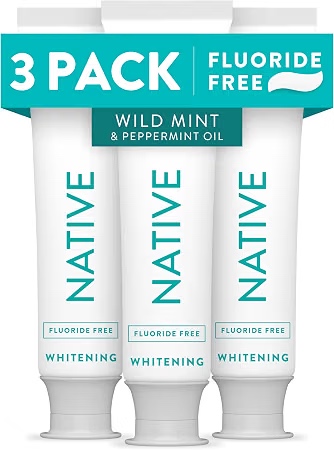
Fluoride toothpaste is the American Dental Association’s default recommendation for cavity prevention, but fluoride-free options like Native Fluoride-Free Toothpaste exist for real reasons. Here’s what fluoride actually does, how to use it safely, and why some people choose to go without it.
What Fluoride Actually Does
The American Dental Association states that fluoride toothpaste helps prevent tooth decay, and the ADA Seal of Acceptance for cavity-prevention claims is given only to toothpastes that contain fluoride. The CDC has separately listed community water fluoridation among its Ten Great Public Health Achievements of the 20th century. Together, that's the strongest official backing behind fluoride's role in dental health.
How Much to Use, by Age
The ADA's own guidance on fluoride use is specific by age:
- Under age 3: a smear about the size of a grain of rice, used by a caregiver.
- Ages 3–6: a pea-sized amount, with a caregiver supervising brushing.
- All ages: spit out toothpaste after brushing rather than swallowing it, and supervise young children's brushing to help make sure they do.
What Is Dental Fluorosis?
Dental fluorosis is a cosmetic change to the appearance of tooth enamel — white spots or streaks in most cases — caused by getting too much fluoride from multiple sources (like swallowing toothpaste along with fluoridated water) while teeth are still forming, generally before around age 8. According to the CDC, most fluorosis in the U.S. is very mild and cosmetic only — it is not a health risk. That's exactly why the age-based amounts above, and supervising young children's brushing, matter more than avoiding fluoride altogether.
Why Some People Choose Fluoride-Free
To be clear upfront: fluoride-free toothpaste is not positioned by the ADA or CDC as medically superior, and it isn't a like-for-like substitute for fluoride's cavity-prevention benefit. That said, people choose products like Native Fluoride-Free Toothpaste for a few real reasons:
- Managing a young child's fluoride intake — some parents, in consultation with their dentist, prefer a fluoride-free option for a toddler who reliably swallows toothpaste, as an alternative to strict portion control.
- Personal or philosophical preference — a preference some people hold that isn't backed by a specific health authority recommendation either way.
- A genuine fluoride allergy — true fluoride allergy is considered exceedingly rare by allergy specialists; many reactions attributed to fluoride actually trace back to other toothpaste ingredients, like flavoring agents or sodium lauryl sulfate.
None of these reasons carry the same ADA/CDC backing for cavity prevention that fluoride itself does — they're personal trade-offs, not medically equivalent alternatives.
How to Decide
For most people, fluoride toothpaste used correctly for their age is the ADA- and CDC-backed default. Fluoride-free is a legitimate personal choice for the reasons above, but it's a trade-off, not a swap with no downside — go in with that understanding. Whichever toothpaste you choose, consistent brushing technique and a toothbrush you'll actually use regularly (VIVAGO Bamboo Toothbrushes are one option) matter just as much day to day. For a specific child, a specific medical situation, or a suspected fluoride reaction, talk to a dentist rather than deciding from a product label alone — see our Medical Disclaimer for more on how to use MedKept's content.
Related Products
MedKept’s current picks for everyday oral care, referenced in this guide.
MedKept may earn a commission from qualifying purchases or signups made through certain links, at no additional cost to you.

Medical disclaimer: This guide is for general informational purposes only and is not medical advice, diagnosis, or treatment. Talk with a qualified healthcare professional before starting any new supplement, especially if you take medication or manage a health condition. Read our full Medical Disclaimer.
Related Guides
Browse All GuidesMore Personal Care GuidesShop Personal Care