
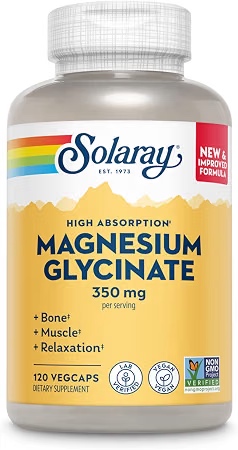
Solaray Magnesium Glycinate 350mg
A magnesium glycinate supplement from Solaray, formulated with BioPerine.
MegaFood, Solaray, Pure Encapsulations, and Qunol all sell magnesium — but they’re not selling the same thing. This guide breaks down what actually changes between magnesium forms, why MedKept’s current picks are glycinate-based, how much magnesium you actually need, and who should check with a doctor before adding one.
Every magnesium supplement is a compound, not pure magnesium metal — elemental magnesium is far too reactive to put in a capsule on its own. Manufacturers bind it to something else: an amino acid like glycine, a mineral salt like oxide, or an organic acid like citrate. According to the NIH Office of Dietary Supplements, that choice of compound changes how well the magnesium dissolves and absorbs in your digestive tract — and how your stomach handles it.
That's why two bottles can both say "500 mg of magnesium" on the label and behave completely differently once you actually take them.
Magnesium bound to citric acid. The NIH Office of Dietary Supplements lists citrate as one of the forms — along with aspartate, lactate, and chloride — that dissolve well and are more completely absorbed than less-soluble forms like oxide. Citrate is also used in its own right as an over-the-counter saline laxative for occasional constipation or before a procedure, per MedlinePlus. That makes it a reasonable choice if occasional relief is actually what you want, and a less ideal choice if you're just looking for a daily supplement without side effects.
Magnesium bound to the amino acid glycine. It isn't named specifically in the NIH fact sheets, but it's one of the most common forms in the supplement aisle — including every dedicated magnesium product MedKept currently lists — largely because it isn't one of the forms the NIH Office of Dietary Supplements calls out as most often linked to diarrhea (that list is magnesium carbonate, chloride, gluconate, and oxide). That's the main reason it tends to get chosen for regular, ongoing use.
One of the least expensive and most widely available forms — but also one the NIH Office of Dietary Supplements specifically notes has lower bioavailability than forms like citrate, and is more commonly associated with diarrhea. It's often used for a short-term antacid or laxative effect (per MedlinePlus) rather than steady daily supplementation.
Magnesium malate, threonate, and taurate also appear in some supplements, usually marketed around specific goals like energy or focus. MedKept doesn't currently carry a dedicated product in these forms, and the government sources cited in this guide don't cover them directly — so we're leaving specific claims about them out of this guide rather than guessing.
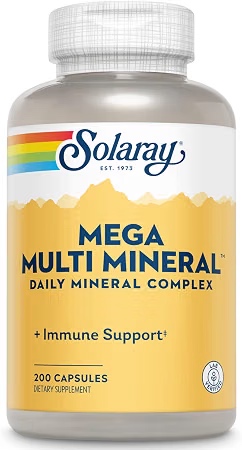
Every dedicated magnesium product MedKept currently lists uses the glycinate form — Solaray Magnesium Glycinate 350mg, Pure Encapsulations Magnesium Glycinate, and Qunol Magnesium Glycinate Gummies — alongside MegaFood Magnesium and Solaray Mega Multi Mineral for a broader daily mineral blend. See the Related Products section below for all five.
People typically reach for glycinate when they want to close an everyday dietary gap without a laxative side effect, when they want a gentle option they can take consistently as part of a routine, or when they'd rather take a chewable gummy (like Qunol's) than a capsule.
None of this is a claim that magnesium glycinate treats, cures, or prevents any condition. See our Medical Disclaimer for more on how MedKept's content should — and shouldn't — be used.
The NIH Office of Dietary Supplements publishes a Recommended Dietary Allowance (RDA) for magnesium — the amount most healthy people need per day, from food and supplements combined:
| Group | RDA (mg/day) |
|---|---|
| Adult males, 19–30 | 400 mg |
| Adult males, 31+ | 420 mg |
| Adult females, 19–30 | 310 mg |
| Adult females, 31+ | 320 mg |
| Pregnancy, 19–30 | 350 mg |
| Pregnancy, 31–50 | 360 mg |
| Lactation, 19–30 | 310 mg |
| Lactation, 31–50 | 320 mg |
That's a total daily target, not necessarily what you need from a pill — many people already get a meaningful share of it from food (leafy greens, nuts, seeds, whole grains). A supplement is generally meant to close the remaining gap, not replace your diet outright.
Magnesium supplements are generally well tolerated, but the NIH Office of Dietary Supplements flags a few specific situations worth knowing about before you start one:
If any of this applies to you — or you're pregnant, nursing, or managing another health condition — talk with a healthcare professional before adding a magnesium supplement. This guide is general information, not a substitute for that conversation; see our Medical Disclaimer.
A simple way to think about it:
Browse MedKept's current magnesium and mineral picks below, or see the full Supplements category for everything else we carry.
A few of MedKept’s current magnesium and mineral picks, referenced in this guide.
MedKept may earn a commission from qualifying purchases or signups made through certain links, at no additional cost to you.
A magnesium glycinate supplement from Solaray, formulated with BioPerine.
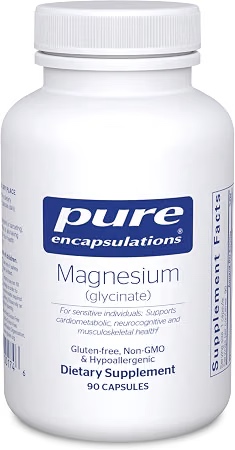
A magnesium glycinate supplement from Pure Encapsulations.


Medical disclaimer: This guide is for general informational purposes only and is not medical advice, diagnosis, or treatment. Talk with a qualified healthcare professional before starting any new supplement, especially if you take medication or manage a health condition. Read our full Medical Disclaimer.